Chest drains and the underwater seal: what to watch for
Aug 17, 2026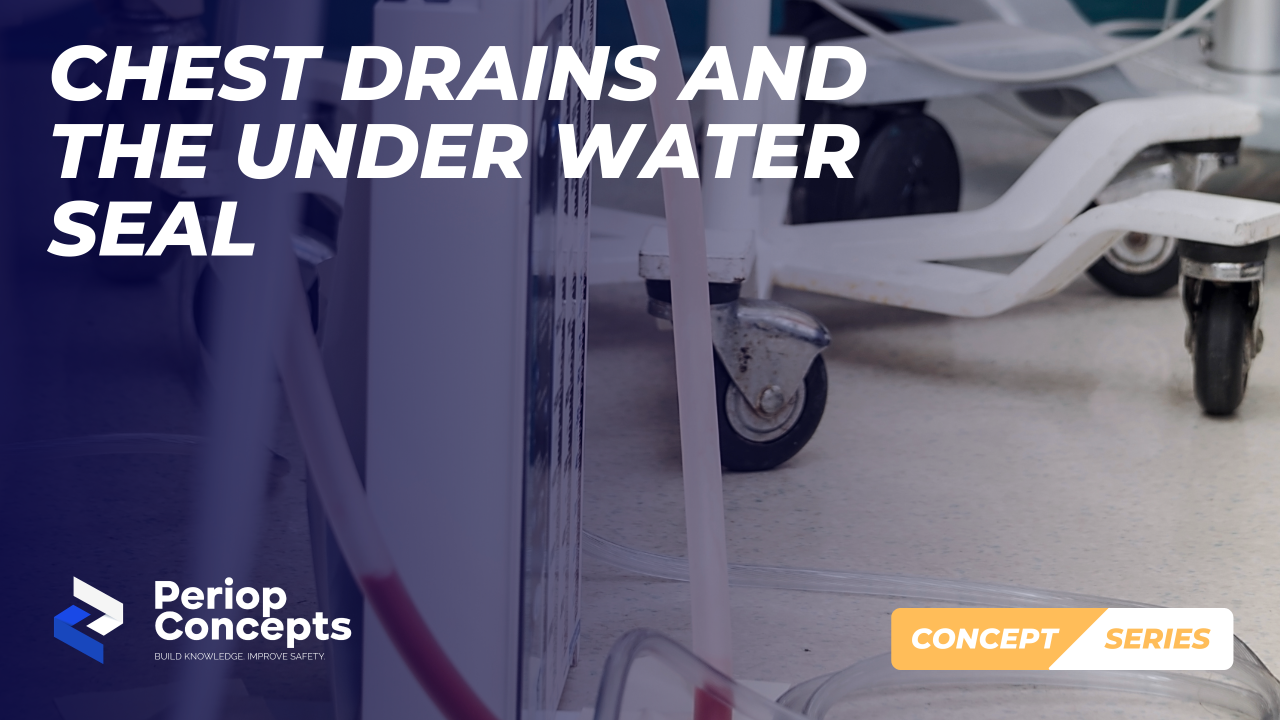
A chest drain can look deceptively simple at the bedside, but the underwater seal is giving you useful information about what is happening inside the chest. For the perianaesthesia nurse, knowing what is normal, what has changed and what needs escalation can make a real difference to early recognition of deterioration.
The underwater seal acts as a one-way valve. It allows air to leave the pleural space while helping prevent air from returning. With respiration, the water level may rise and fall, known as tidaling. This can indicate that the system is patent and responding to changes in intrathoracic pressure. Continuous bubbling, however, may indicate an air leak and needs assessment.
There are a few simple things worth checking every time you assess the patient and their drain:
🔹 Is the drainage unit upright and below the chest?
🔹 Is the tubing free from kinks, dependent loops and unnecessary obstruction?
🔹 Is the water seal at the correct level for the device?
🔹 What are the amount, colour and character of the drainage?
🔹 Are you seeing expected tidaling, new bubbling or a change from the previous assessment?
🔹 Most importantly, what is happening with the patient? Look at respiratory rate, oxygen saturation, breath sounds, pain, dyspnoea and overall clinical appearance.
A change in the drain should never be considered in isolation. A sudden increase in breathlessness, falling oxygen saturation, chest pain, new subcutaneous emphysema or altered respiratory findings requires prompt assessment and escalation. Routine clamping of a bubbling chest drain should be avoided because of the risk of tension pneumothorax.
The clinical takeaway is simple: look at the patient, look at the system, then connect the two. The underwater seal is not just a collection device. It is another piece of clinical information that can help you recognise when something has changed.
Build Knowledge ✅
Improve Safety ✅
References
Ernstmeyer, K. & Christman, E. (eds.) (2023). Chapter 6: Manage Chest Tube Drainage Systems. Nursing Advanced Skills. NCBI Bookshelf. NCBI Bookshelf article
Asciak, R., Bedawi, E.O., Bhatnagar, R. et al. (2023). ‘British Thoracic Society Clinical Statement on pleural procedures’. Thorax, 78(suppl 3), pp. 43–68.
Stay connected with news and updates!
Join our mailing list to receive the latest news and updates from our team.
Don't worry, your information will not be shared.
We hate SPAM. We will never sell your information, for any reason.