Respiratory drugs and oxygen therapy in PACU
Feb 16, 2026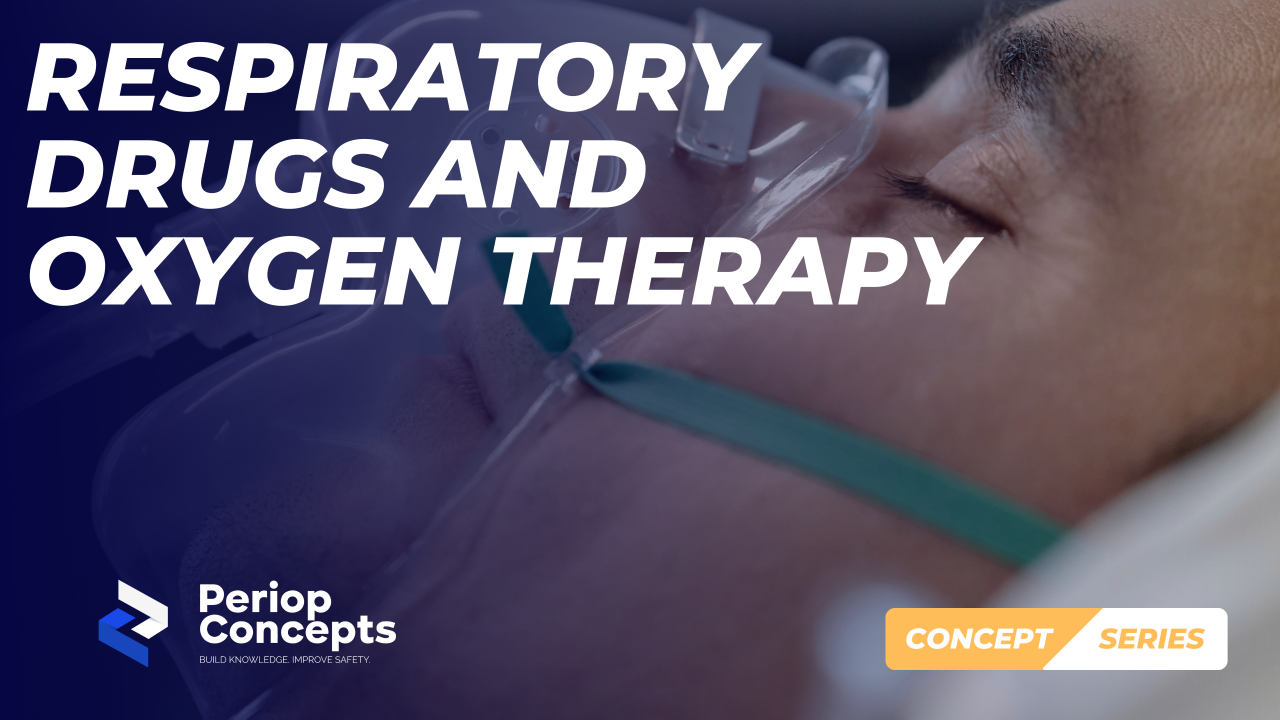
After anaesthesia, the lungs do not simply “bounce back.” Functional residual capacity falls, muscle strength is reduced, and atelectasis often develops in a large proportion of patients recovering from general anaesthesia and surgery. These physiological changes contribute to postoperative pulmonary complications (PPCs) such as hypoxaemia, respiratory failure, pneumonia and bronchospasm. PPCs increase morbidity and hospital length of stay and are among the most common adverse events encountered in the immediate postoperative period.
In the post-anaesthesia care unit (PACU), vigilant respiratory assessment underpins safe recovery. Oxygen therapy remains a cornerstone of initial management when patients show desaturation (e.g. SpO₂ < 92 %), supporting oxygenation while underlying issues are addressed. Titrated supplemental oxygen helps optimise tissue oxygen delivery without increasing absorption atelectasis. Pharmacological support may include bronchodilators for bronchospasm and careful reversal of residual neuromuscular blockade, as this improves ventilatory mechanics and reduces hypoventilation risk.
High-flow nasal cannula (HFNC) oxygen has emerged as a tool for patients with type 2 respiratory failure or significant hypoxaemia in the PACU, offering heated, humidified flows that reduce work of breathing and improve gas exchange in selected patients.
Management of supplemental oxygen weaning is also important. Some patients fail to wean from oxygen in the PACU due to ongoing hypoxaemia linked to residual anaesthesia effects or pre-existing lung disease, and may require extended support and reassessment.
Overall, respiratory drugs and oxygen therapy in the PACU are not isolated interventions: they are integrated into a broader strategy that includes airway protection, effective analgesia, monitoring for respiratory depression and early mobilisation to prevent complications.
Build Knowledge ✅
Improve Safety ✅
References
Zhuang G, Liu W & Li H. (2024). Utilization of high-flow nasal cannula in PACU patients with type 2 respiratory failure. Asian Journal of Surgery.
Bang YJ et al. (2023). Frequency and risk factors for failed weaning from supplemental oxygen therapy after general anaesthesia at a PACU. BMC Anesthesiology.
Postoperative pulmonary complications (2016). Nursing Critical Care.
Stay connected with news and updates!
Join our mailing list to receive the latest news and updates from our team.
Don't worry, your information will not be shared.
We hate SPAM. We will never sell your information, for any reason.