
Lung isolation and double-lumen tubes
Jul 27, 2026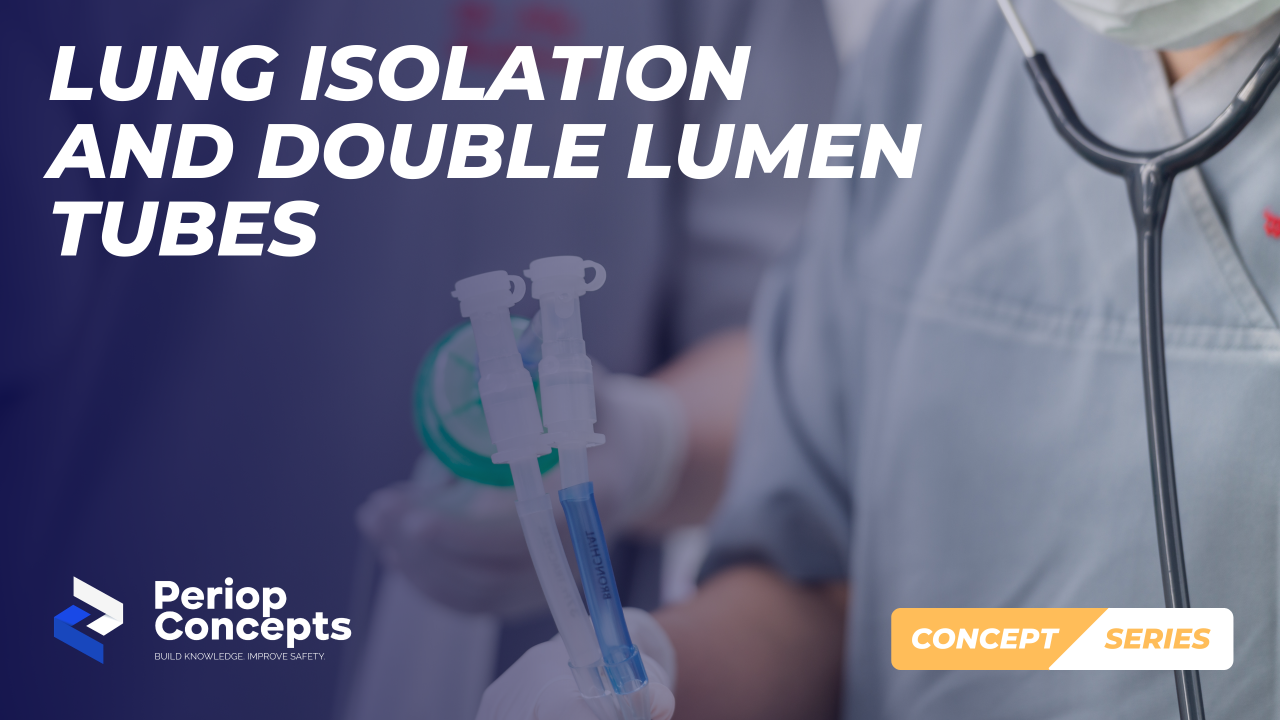
One-lung ventilation is a technique that allows each lung to function independently during selected thoracic procedures. While it creates the surgical exposure needed for complex operations, it also introduces physiological challenges that require close monitoring and timely intervention. For perianaesthesia nurses, understanding the principles behind lung isolation helps anticipate patient needs before, during and after surgery.
Double-lumen tubes remain the preferred device for achieving lung isolation in most adult patients because they allow rapid lung deflation, reliable separation of the lungs and easier suctioning when required. Bronchial blockers remain an important alternative when airway anatomy is difficult or when exchanging an existing endotracheal tube is undesirable. Regardless of the device used, correct placement is critical. Fibreoptic bronchoscopy is considered the gold standard for confirming position and identifying displacement throughout the procedure.
During one-lung ventilation, ventilation-perfusion (V/Q) mismatch becomes an expected physiological challenge. Although blood continues to flow through both lungs, only one lung is being ventilated. This creates a temporary increase in intrapulmonary shunting, where blood passes through the non-ventilated lung without being oxygenated. The result can be a reduction in oxygen saturation, making vigilant monitoring and prompt communication essential throughout the case.
🔹 Understand why lung isolation is required and which patients are most likely to need it.
🔹 Recognise that left-sided double-lumen tubes are most commonly used because they provide greater positioning reliability.
🔹 Appreciate the importance of fibreoptic confirmation to reduce malposition and associated complications.
🔹 Anticipate V/Q mismatch during one-lung ventilation and monitor oxygenation trends closely.
🔹 Work collaboratively with the multidisciplinary team to identify and respond to airway or ventilation concerns early.
Every episode of one-lung ventilation relies on careful preparation, vigilant monitoring and effective communication. Understanding the purpose of lung isolation, the principles of double-lumen tube management and the physiological changes that occur during one-lung ventilation helps perianaesthesia nurses contribute to safer patient care and better perioperative outcomes.
Build Knowledge ✅
Improve Safety ✅
References
Patel, M., Wilson, A. & Ong, C. (2023). Double-lumen tubes and bronchial blockers. BJA Education, 23(11), 416-424.
Purohit, A., Bhargava, S., Mangal, V. & Parashar, V.K. (2015). Lung isolation, one-lung ventilation and hypoxaemia during lung isolation. Indian Journal of Anaesthesia, 59(9), 606-617.
Stay connected with news and updates!
Join our mailing list to receive the latest news and updates from our team.
Don't worry, your information will not be shared.
We hate SPAM. We will never sell your information, for any reason.

