
ALS Medications
Apr 04, 2024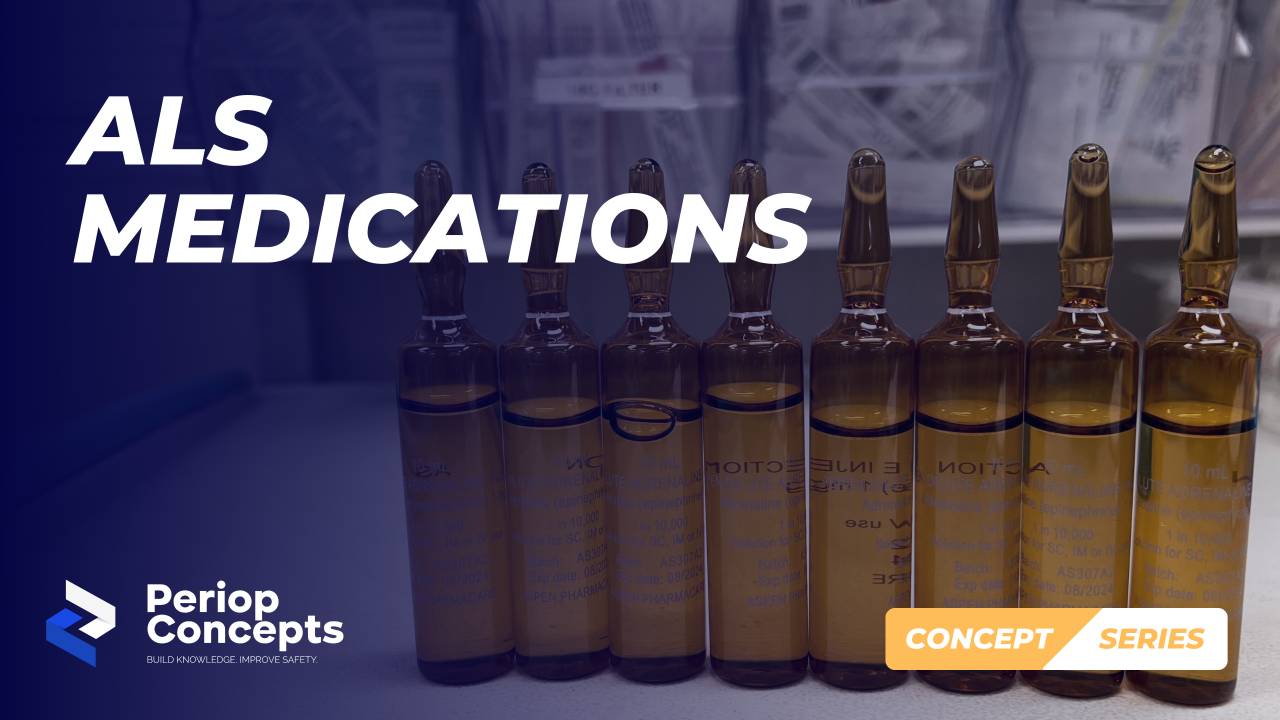
ALS drugs save lives by reversing the causes of cardiac arrest. 🫀💊
Adrenaline and amiodarone are the two key drugs recommended within the ALS algorithm, however, several others are useful depending on the clinical situation.
Here’s what you need to know:
1️⃣ Adrenaline (1 ampoule per dose)
👉🏽 A potent adrenergic agonist
👉🏽 Causes vasoconstriction, directing available cardiac output to myocardium and brain.
👉🏽 The recommended dose in cardiac arrest is 1mg EVERY 4 MINUTES.
👉🏽 The timing of the first dose depends on the rhythm:
🔺Shockable rhythm - first dose after 2nd shock
🔺Non-shockable rhythm - first dose immediately after first rhythm check
2️⃣ Amiodarone (300mg once)
👉🏽 Amiodarone 300mg is only recommended in SHOCKABLE rhythms and only after the THIRD SHOCK.
👉🏽 It has weak evidence for out-of-hospital arrest in improving survival to admission
👉🏽 It prolongs cardiac action potential and delays refractory period, which may be responsible for its ability to terminate ventricular and supraventricular arrhythmias
👉🏽 A bolus of amiodarone will cause profound hypotension, so should only be given AFTER administration of adrenaline.
Other drugs used in ALS, when indicated:
Lignocaine
👉🏽 No longer included in ALS algorithm due lack of supporting evidence
Theoretically may be an alternative to amiodarone as an antiarrhythmic agent
👉🏽 If guided to give lignocaine by the team leader, a bolus dose of 100mg is appropriate (5ml of 2%).
Calcium
👉🏽 Indications:
🔺Hyperkalaemia.
🔺Hypocalcaemia.
🔺Calcium channel blocker overdose.
👉🏽 Bolus dose 5-10mL of 10% calcium chloride
Magnesium
👉🏽 Magnesium is recommended for torsades de pointes
👉🏽 5-10mmol bolus
👉🏽 Not recommended for VT/VF in the setting of normal QT intervals
Potassium
👉🏽 Indicated for hypokalaemia
👉🏽 Bolus dose of 10mmol potassium chloride
Sodium Bicarbonate
👉🏽 Indications:
🔺 Hyperkalaemia.
🔺 Metabolic acidosis.
🔺 Tricyclic antidepressant overdose.
👉🏽 Dosage 20-50ml over 2-3 minutes, then guided by blood gas.
Note! When mixed with adrenaline or calcium, they can precipitate and block the line!
Stay connected with news and updates!
Join our mailing list to receive the latest news and updates from our team.
Don't worry, your information will not be shared.
We hate SPAM. We will never sell your information, for any reason.

